


Dental Implants
A Long-Term Solution for Missing Teeth
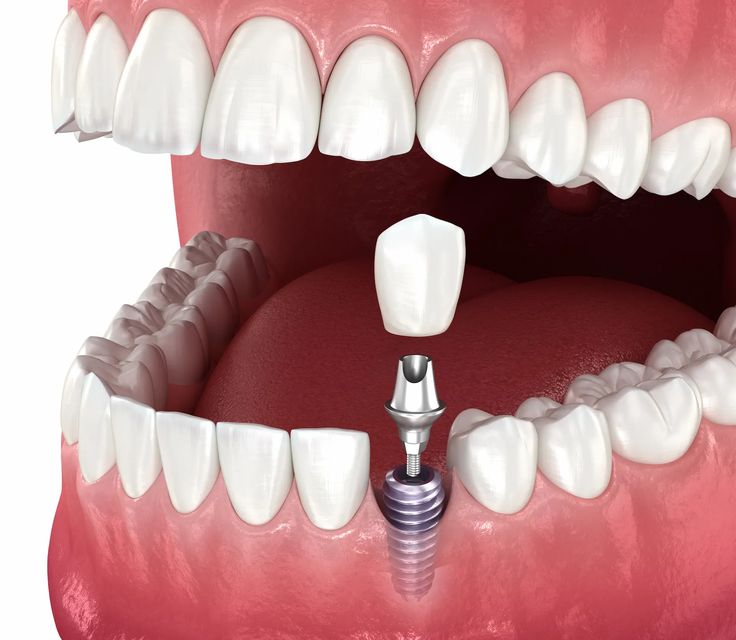
Dental implants are a modern tooth replacement option designed to restore the appearance, function, and health of your smile. Unlike traditional bridges or removable dentures, dental implants replace the missing tooth root and provide a stable foundation for a custom dental crown, bridge, or denture.
Dental implants are designed to look, feel, and function similarly to natural teeth, allowing patients to eat, speak, and smile with confidence.

What Are Dental Implants?
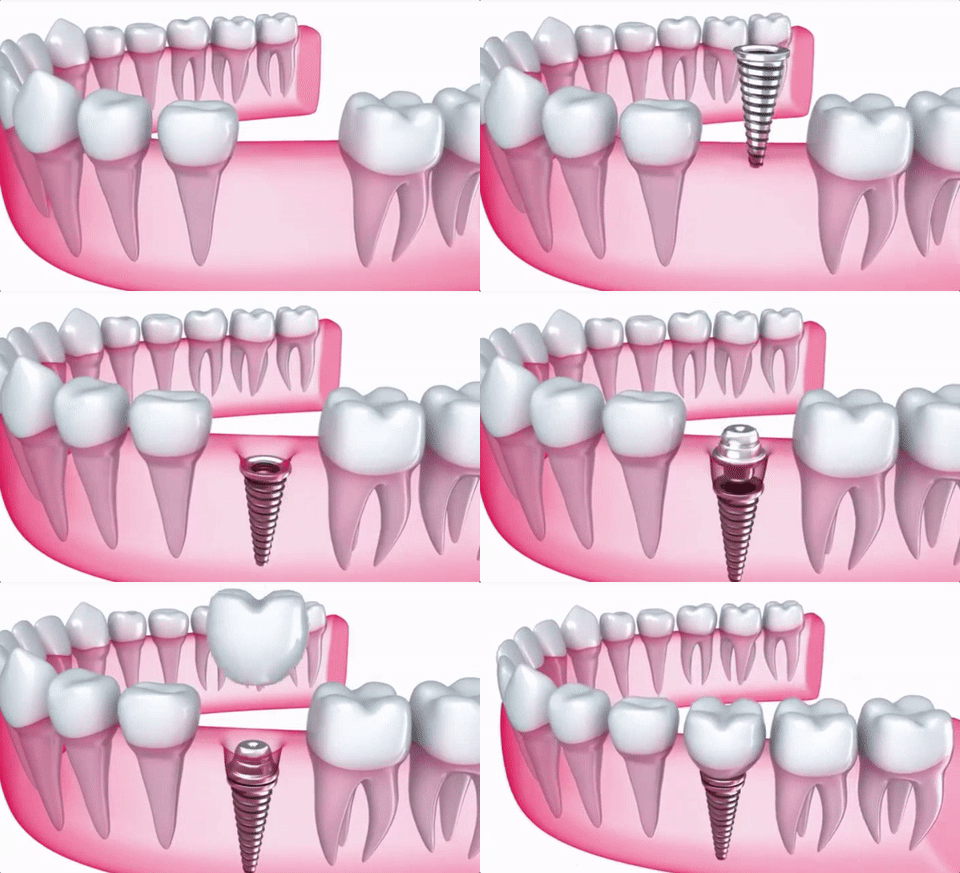
A dental implant is a small titanium post that is surgically placed into the jawbone to replace the root of a missing tooth. Over time, the implant integrates with the surrounding bone through a natural healing process called osseointegration.
Once healing is complete, a custom restoration is attached to the implant, creating a secure and natural-looking replacement tooth.
A dental implant typically consists of:
Why Replace Missing Teeth?
Missing teeth can affect more than just your appearance.
When a tooth is lost, the surrounding bone no longer receives stimulation from chewing forces. Over time, this may lead to bone loss in the area.
Missing teeth can also allow neighboring teeth to shift or tip into the empty space, potentially affecting your bite and making oral hygiene more difficult.
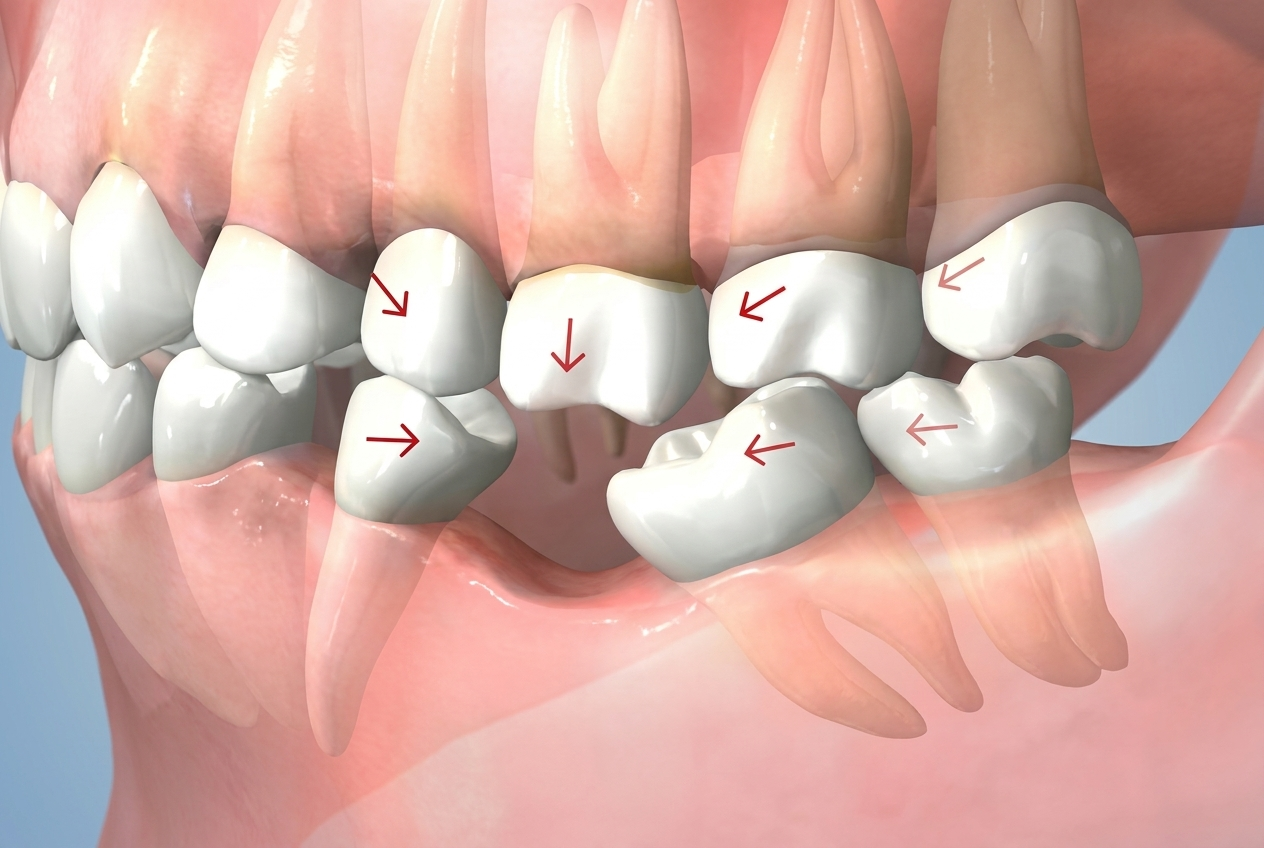
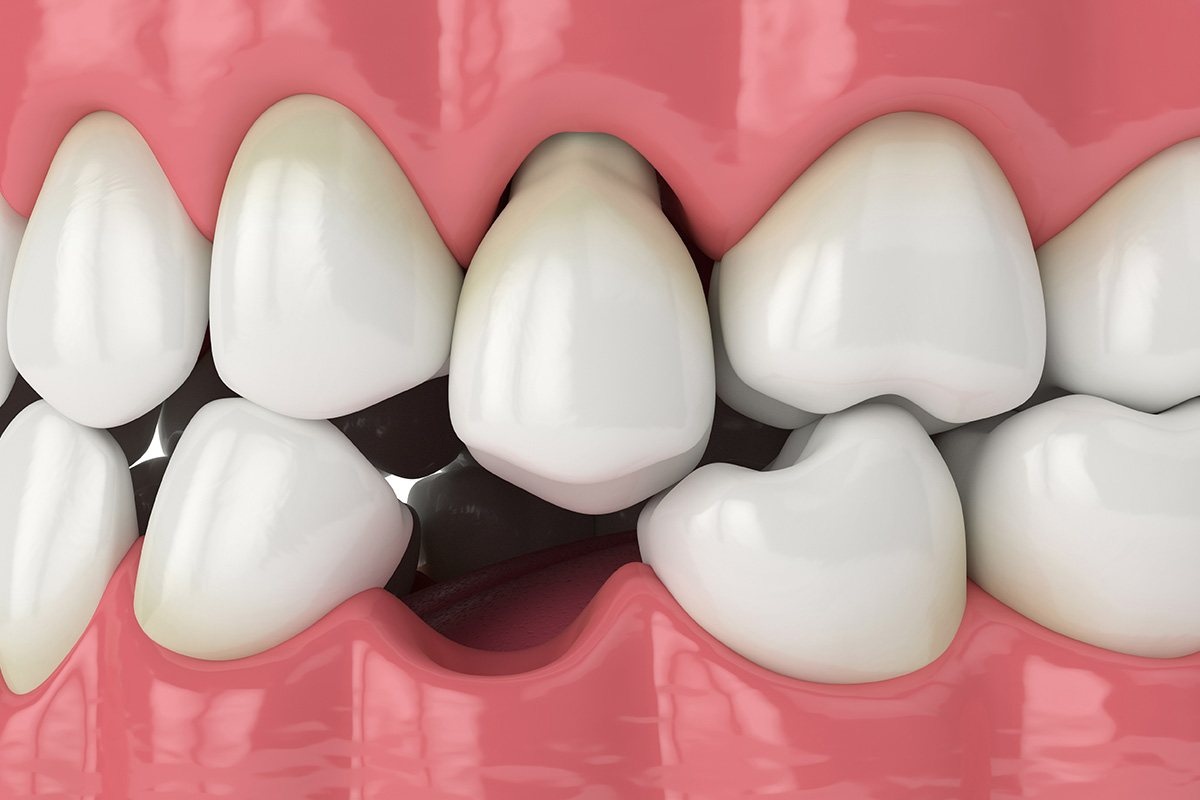
In some cases, the tooth opposing the missing tooth may begin to over-erupt or super-erupt into the space. This occurs because the tooth no longer has an opposing tooth to bite against, causing it to gradually move out of position.
Replacing missing teeth may help maintain proper tooth positioning, preserve jawbone health, and support long-term oral function.
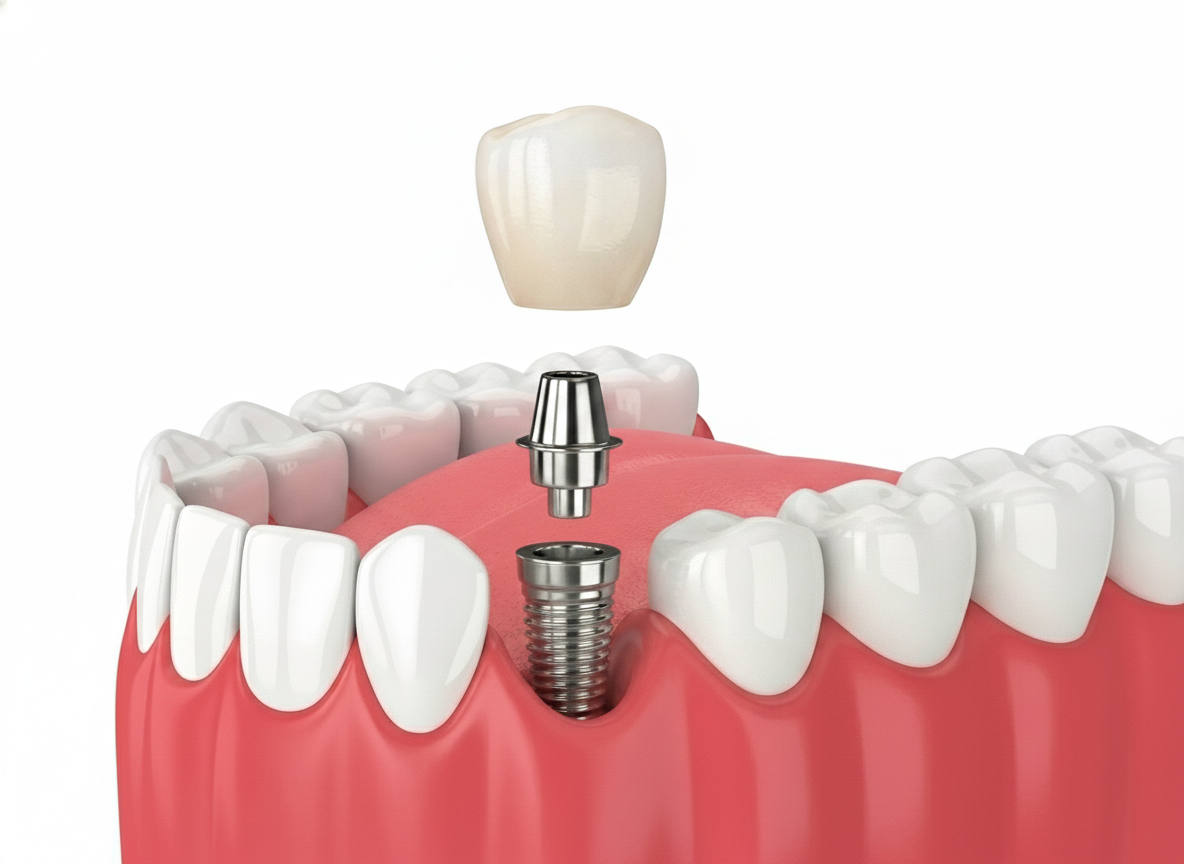
Single Tooth Replacement
Dental implants are commonly used to replace a single missing tooth.
A single implant is placed into the jawbone and restored with a custom crown designed to match the appearance of the surrounding teeth.
Benefits of single-tooth implants include:
- check_circle Natural appearance
- check_circle Stable chewing function
- check_circle Preservation of surrounding teeth
- check_circle No need to modify adjacent healthy teeth
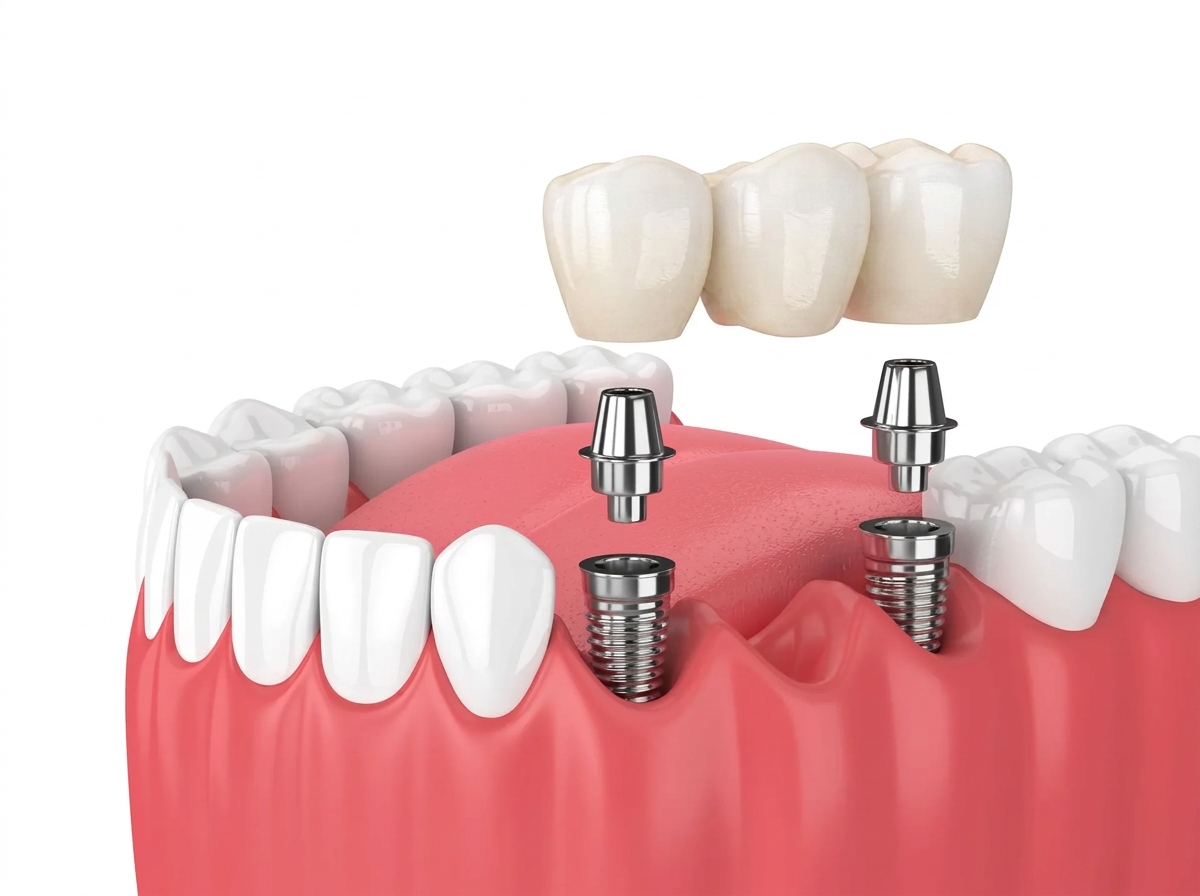
Multiple Missing Teeth
Dental implants can also be used to replace multiple missing teeth.
Depending on the situation, treatment may involve:
Treatment options may include:
- check_circle Individual implants
- check_circle Implant-supported bridges
- check_circle Combination treatment plans
Implant-supported restorations provide a secure and functional solution while helping preserve bone and oral health.
Implant-Supported Dentures
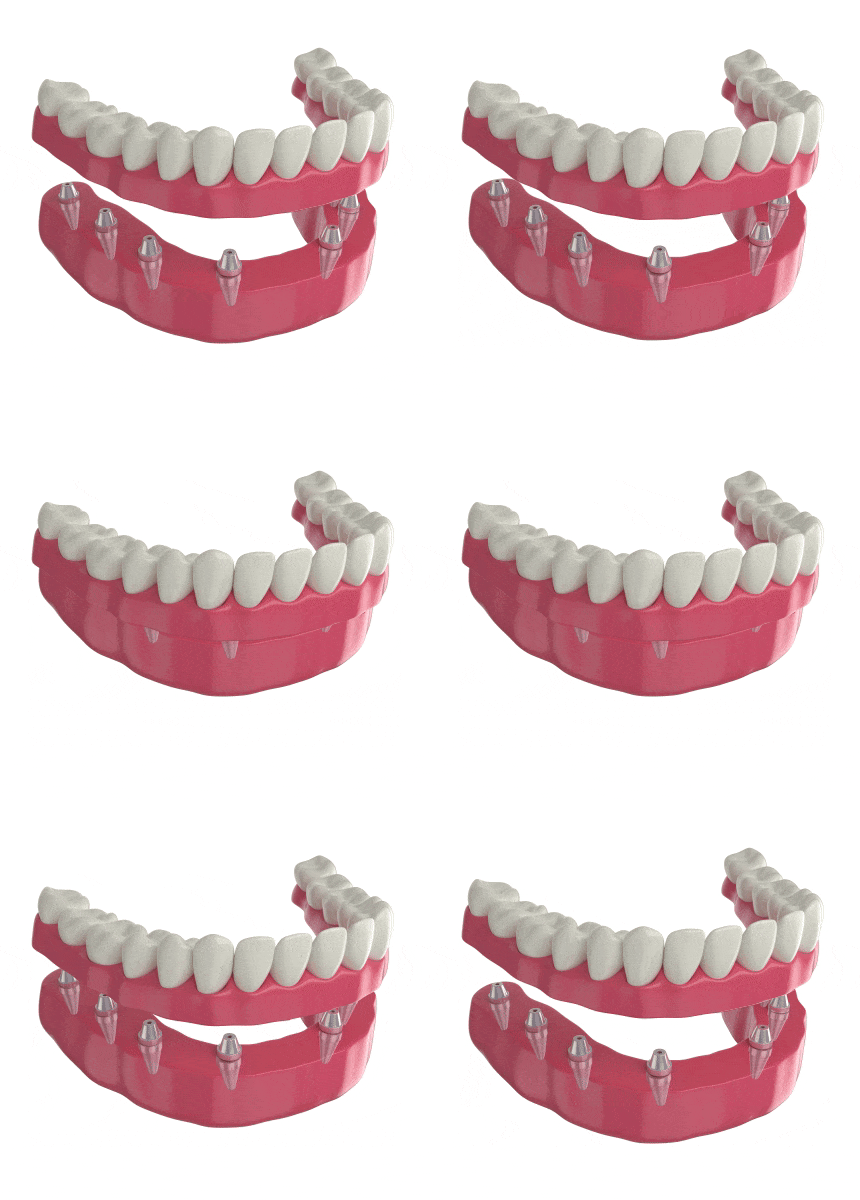
For patients missing many or all teeth, implant-supported dentures may offer improved stability compared to traditional removable dentures.
Instead of relying solely on the gums for support, the denture attaches to strategically placed dental implants.
Improved comfort
Custom fit for your unique oral anatomy.
Increased stability
Rock-solid foundation that will not slip.
Better chewing efficiency
Enjoy the foods you love once again.
Reduced movement while speaking
Speak with greater clarity and confidence.
The Dental Implant Process
Step 1: Consultation & Examination
Your dental provider will perform a comprehensive evaluation that may include:
- check_circle Dental examination
- check_circle Medical history review
- check_circle Digital X-rays
- check_circle 3D CBCT imaging
- check_circle Photographs
- check_circle Assessment of bone quantity and quality
These records help determine whether dental implants are appropriate for your specific situation.

Step 2: Treatment Planning
A customized treatment plan is developed based on:
- check_circle Number of missing teeth
- check_circle Available bone
- check_circle Overall oral health
- check_circle Smile goals
If insufficient bone is present, additional procedures such as bone grafting may be recommended.
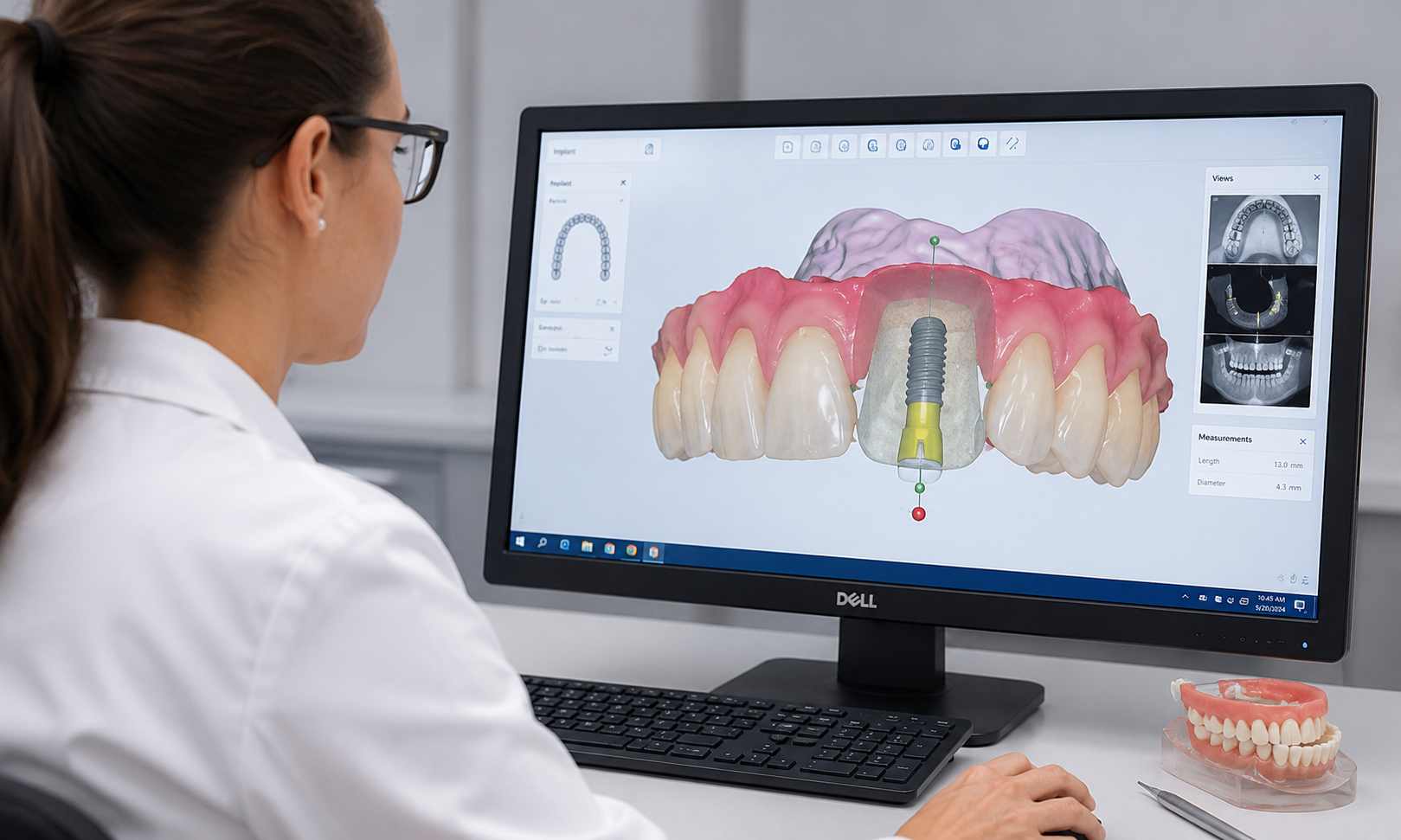
Step 3: Implant Placement
The dental implant is surgically placed into the jawbone under local anesthesia.
Many patients are surprised to find the procedure is often more comfortable than expected.
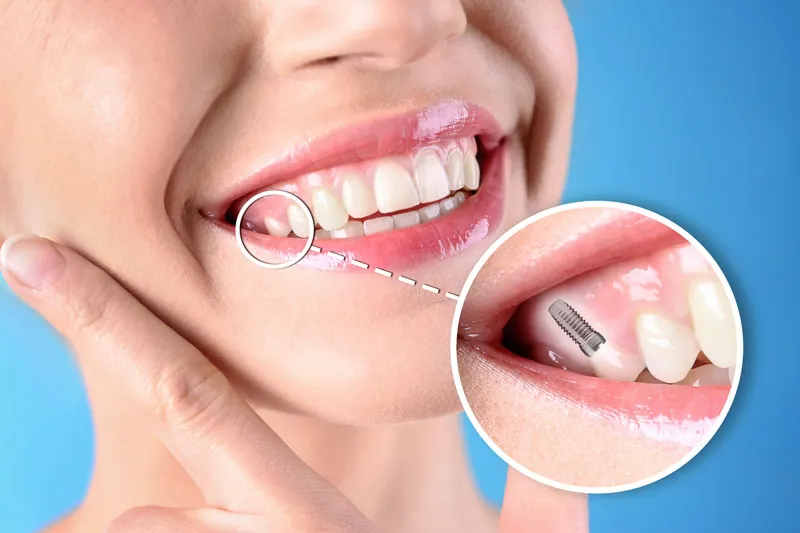
Step 4: Healing & Integration
Over the next several months, the implant gradually integrates with the surrounding bone.
This process creates the strong foundation necessary to support the final restoration.
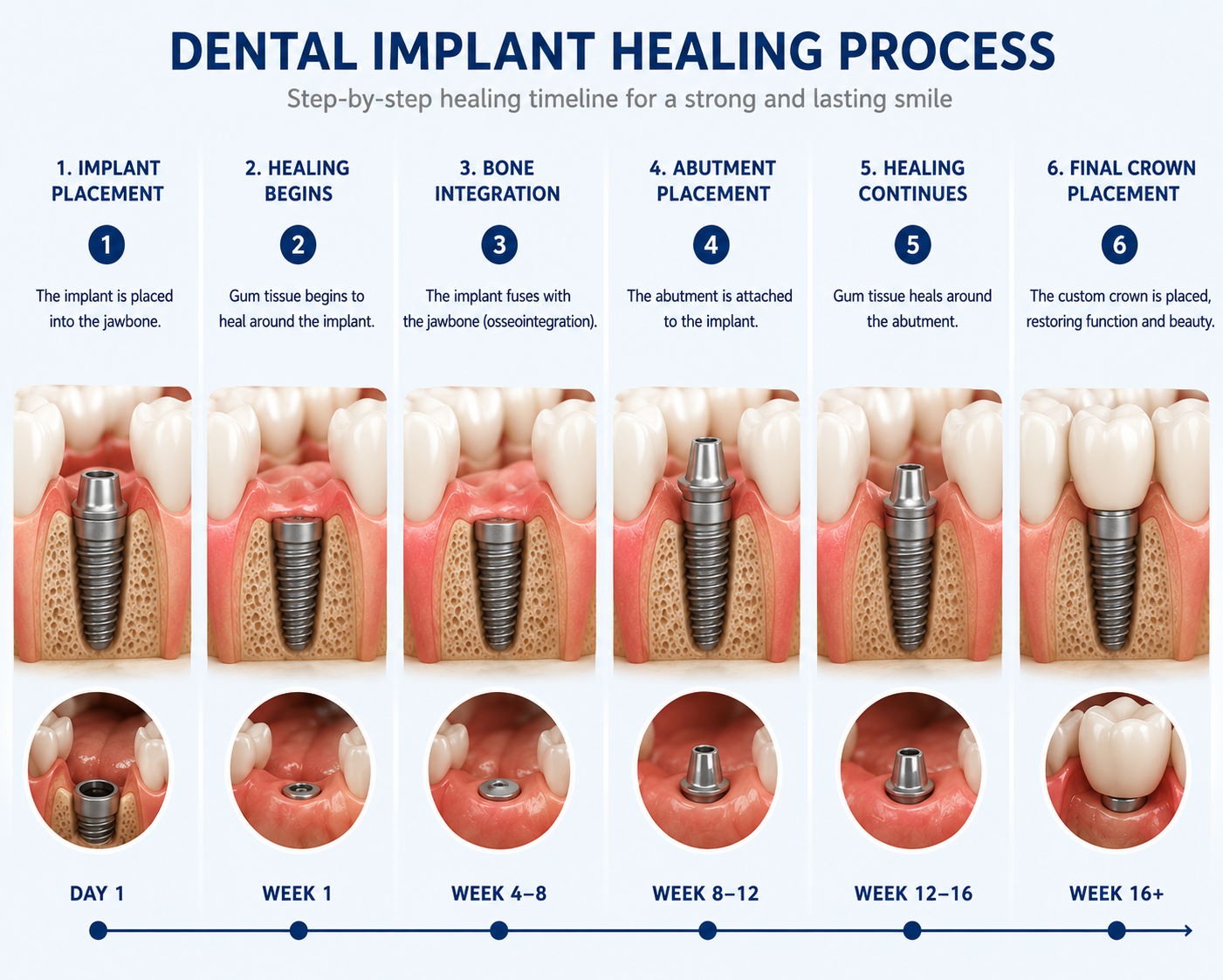
Step 5: Final Restoration
Once healing is complete, a custom crown, bridge, or denture is attached to the implant, restoring function and appearance.
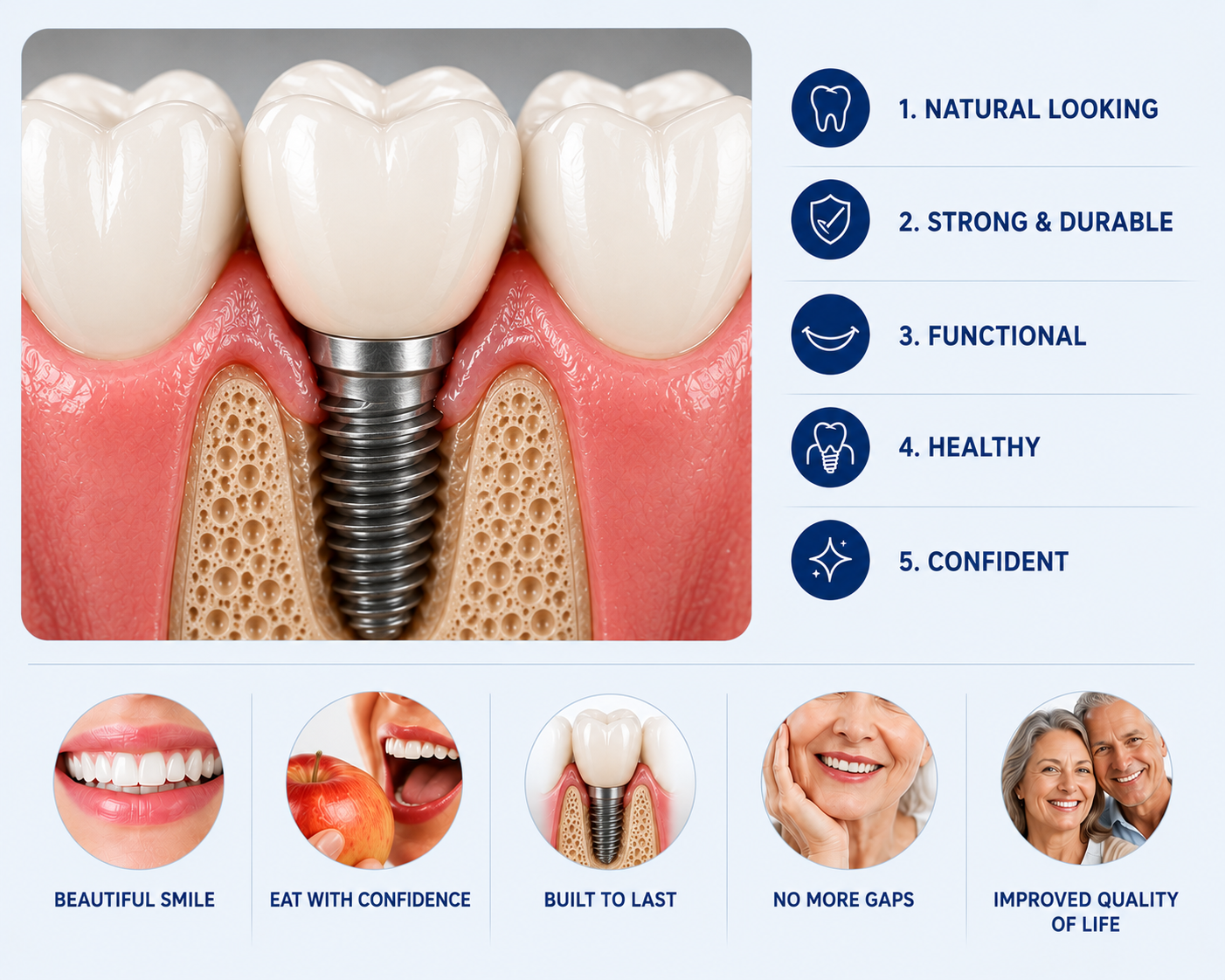
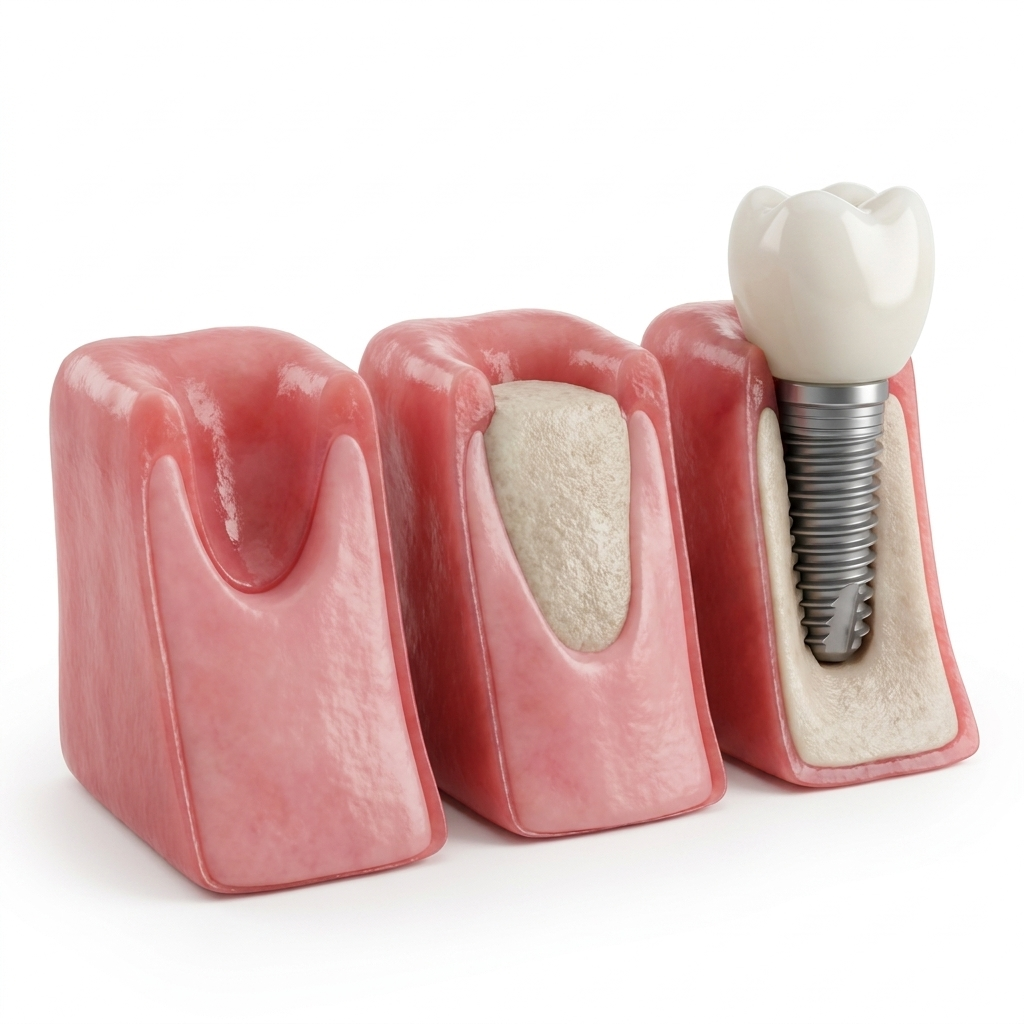
Bone Grafting
In some cases, there may not be enough bone available to securely support a dental implant.
This can occur due to:
- check_circle Long-term tooth loss
- check_circle Gum disease
- check_circle Previous infection
- check_circle Natural bone resorption over time
A bone graft may be recommended to rebuild and strengthen the area before implant placement.
Not all patients require bone grafting, and your provider will determine whether it is necessary during your consultation.

Healing & Recovery
Recovery experiences vary between patients and procedures.
Most patients can return to normal daily activities within a short period following implant placement.
Mild symptoms may include:
Swelling
Tenderness
Minor discomfort
Your dental provider will provide detailed post-operative instructions to support healing. Follow-up appointments are important to monitor progress throughout treatment.

Benefits of Dental Implants
Preserve Jawbone Health
Dental implants stimulate the surrounding bone during chewing, helping reduce the bone loss that commonly occurs after tooth loss.
Help Prevent Teeth from Shifting
Replacing missing teeth may help prevent neighboring teeth from tipping or drifting into empty spaces.
Help Prevent Opposing Teeth from Over-Erupting
Implants restore proper contact between upper and lower teeth, helping prevent opposing teeth from moving out of position.
Natural Appearance
Implants are designed to blend seamlessly with your smile.
Strong and Stable
Dental implants provide excellent support for everyday chewing and speaking.
Easy to Care For
Implants should be brushed and flossed just like natural teeth as part of a healthy oral hygiene routine.
No Risk of Cavities
The implant itself cannot develop tooth decay. However, maintaining healthy gums around the implant remains essential for long-term success.
Long-Term Solution
With proper care and regular dental visits, dental implants can provide a durable, long-lasting tooth replacement option.
Ready to Restore Your Smile?
Missing teeth can affect confidence, chewing, and long-term oral health. Learn more about dental implant options, then connect with a dental professional who can assess your specific needs.

Disclaimer: Dental implant treatment is not suitable for every patient. Suitability depends on factors such as bone levels, gum health, oral hygiene, medical history, medications, smoking status, bite, and overall treatment goals. A licensed dental professional must complete an examination and review appropriate records before recommending implant treatment.